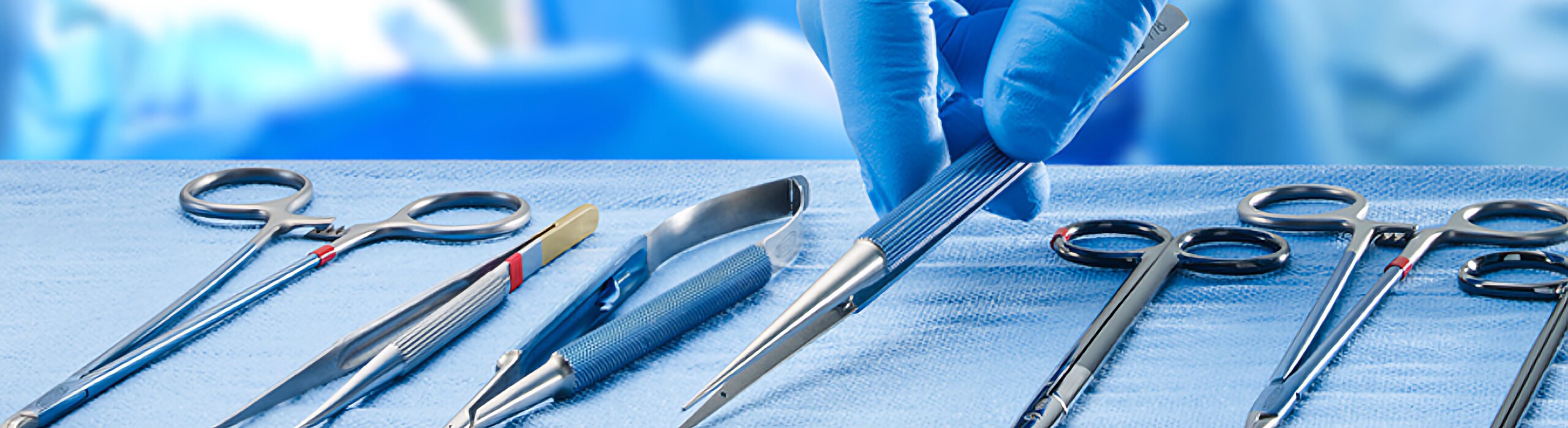
Surgical prototypes in the hands of hospital staff
The brief
A world-leading surgical device company had developed several prototypes of a new device and needed to choose which to take to market. It also wanted to improve the instructions for taking the device apart, cleaning, sterilising and reassembling it, test its packaging concepts, and understand how operating theatre directors and buyers would view it.
Why it was hard
Hospital staff are among the hardest respondents to reach in China. They are busy, wary of outsiders and protected by layers of hierarchy, and the study needed three different categories of them. To get informed views, they also had to be familiar with the previous model of the device or a competitor’s.
How we did it
Our recruitment networks in hospitals, built over many years, gave us a way into the right departments, and from there we used referrals to find the best-qualified staff. We carried out twelve in-depth interviews across three cities, scheduled around shifts and held at the hospitals so staff could take part without leaving work.
Rather than only asking for opinions, our interviewers watched each person handle the prototypes: taking them apart, cleaning them and putting them back together, and talking through what they were doing. With respondents’ consent we filmed the handling, so the client’s engineers could see exactly where hands hesitated and instructions failed.
What the client got
A clear preferred prototype, and practical changes to its instructions and packaging based on what real users did, not just what they said.
What it shows
We can reach specialist hospital staff, and we know that with a physical product, watching people use it tells you more than asking them.
Services: hard-to-reach recruitment · in-depth interviews